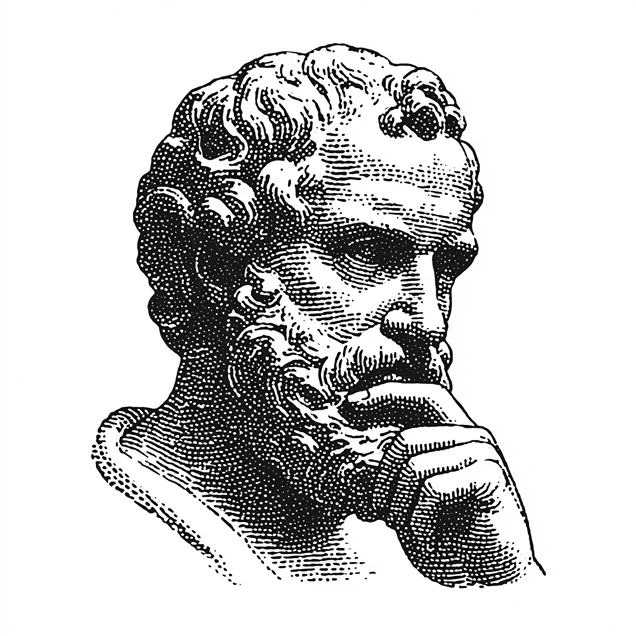
The Model Is a Commodity. Your Institutional Knowledge Isn’t.
Forward Deployment Engineering
In the rapidly evolving landscape of artificial intelligence, a crucial distinction is emerging: while AI models are fast becoming commoditized, the unique, internal knowledge within an organization remains an irreplaceable asset. Every competitors AI has access to the same vast internet, regulations, and public best practices, making generalized AI knowledge a common commodity rather than a true differentiator.
For executives and data leaders, this presents a clear strategic imperative. The real value and competitive edge do not lie in the AI interface itself, but in the proprietary Operational Brain—the deep, often undocumented, institutional knowledge that has been cultivated over decades. This article will explore why models are commodities, the invaluable nature of your internal knowledge, and how to effectively capture and leverage it for sustainable advantage.
The Commoditization of AI and General Knowledge
The proliferation of advanced AI agents means that foundational models are rapidly acquiring a near-universal understanding of publicly available information. This effectively turns general knowledge into a commodity; if everyone knows everything, and knowing everything becomes average, then possessing general knowledge offers little unique value. As one expert points out, AI agents are fast becoming a commodity, and the real value isnt in the interface or the AI itself.
This widespread access to information means that your competitors AI has read the same internet, the same regulations, the same best practices. While AI knowledge itself is a commodity, the human judgment applied to that knowledge, especially when informed by unique institutional context, acts as a crucial moat against commoditization. The challenge for organizations is to move beyond generic AI applications and harness their distinct internal intelligence.
Institutional Knowledge: Your Untapped Strategic Advantage
Unlike publicly available data, institutional knowledge is deeply personal, informal, and experience-based. Its the tacit knowledge that helps skilled workers perform faster, safer, and more accurately, particularly when real-world conditions diverge from standard operating procedures (SOPs). Examples include a senior engineer knowing the quirks of a specific piece of machinery or a customer service veteran understanding unspoken customer needs.
This type of knowledge isnt easily documented in manuals or training systems; its gained over time through hands-on experience and is often passed down informally. It constitutes the Operational Brain of an organization, representing decades of accumulated expertise. When this knowledge leaves the company, it creates significant skills gaps, quality risks, and potential production slowdowns, especially in industries like manufacturing facing major workforce shifts and retirement-driven departures.
Want to see what this looks like on your data?
Start the free trainingCapturing and Operationalizing Tacit Expertise
To turn institutional knowledge into a tangible advantage, organizations must actively expose and capture it. This isnt about eradicating informal knowledge but about strategizing to minimize risk and transform it into a scalable asset. The goal is to make expertise repeatable, searchable, role-based, and trainable, moving beyond informal shadowing as the primary knowledge-sharing model, which is a single point of failure.
Key strategies for capturing this valuable asset include identifying at-risk knowledge early, especially that held by senior staff or tied to critical operations. Technologies like generative AI can play a transformative role in enhancing employee experience by facilitating the documentation and accessibility of this expertise. By formalizing and integrating this unique intelligence into data management systems, companies can ensure their foundation is robust, protecting against knowledge loss and leveraging their true competitive differentiator.
To accelerate your AI strategy with expert guidance, explore resources in the AIDM Portal for frameworks, GPT tools, and executive AI training.
Key Takeaways
- While general AI models and public knowledge are becoming commodities, an organizations unique institutional knowledge remains its most valuable, proprietary asset.
- Institutional knowledge is informal, experience-based expertise that drives efficiency and accuracy, often residing outside formal documentation.
- Proactive strategies for capturing, documenting, and making this tacit knowledge accessible are crucial for building a strong data foundation and ensuring foundation before innovation.
About AI Data Management
We are a forward deployment team: enterprise AI systems, built inside your business. We work alongside your leadership, learn how your operation actually runs, and build the systems your business runs on. Your data stays yours throughout.
Every example is anonymized. We never name a client.